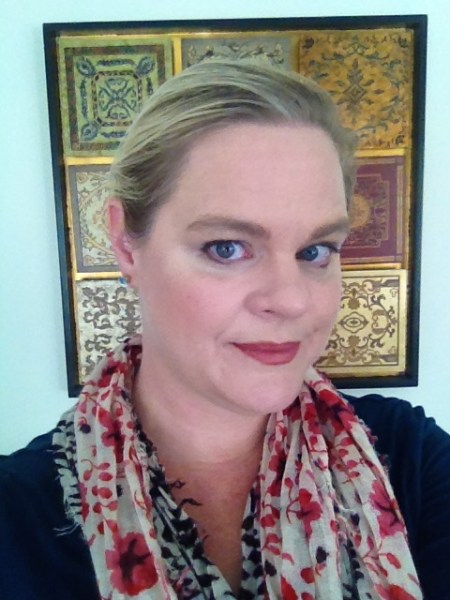
Jill Rose-Roger, MS, CCC-SLP
With over 25 years of experience as a Speech-Language Pathologist and advanced training in literacy and dyslexia, Jill Rose-Roger specializes in supporting speech, language, and literacy development. Her work integrates speech-language expertise with structured literacy principles to address the underlying language systems that support reading, writing, and comprehension. Jill values thoughtful instruction that helps students develop lasting skills and confidence.
Master’s of Science in Communication Disorders
ASHA certified

Articulation and Speech Sounds Disorder
Clear speech supports confidence, social connection, and success in the classroom. Articulation therapy at SOUND Skills focuses on helping children and adolescents produce speech sounds accurately and consistently so they can be understood with ease in conversation, presentations, and academic participation.
Therapy is individualized, with an emphasis on carryover into real-life communication settings. Because speech sound development is closely connected to phonological awareness and early reading skills, intervention may also include activities that support emerging literacy foundations when appropriate.
Receptive and Expressive Language
Strong language skills are essential for learning, relationships, and everyday communication. Language therapy at SOUND Skills supports students in understanding and expressing ideas clearly through targeted work on vocabulary, sentence formulation, listening comprehension, narrative organization, and academic language.
Instruction is explicit, supportive, and tailored to each learner’s needs, helping students build the confidence and competence to participate fully in classroom discussions and social interactions. When relevant, therapy may also strengthen the language skills that underlie reading comprehension and written expression.
Literacy and Dyslexia
Reading and writing are complex language-based skills that develop through explicit, structured instruction. Literacy intervention at SOUND Skills is designed to support students who struggle with word reading, spelling, reading fluency, and comprehension, including those with characteristics of dyslexia.
Instruction is individualized and systematic, targeting the underlying skills that support accurate decoding, efficient word recognition, and meaningful understanding of text. Sessions integrate evidence-based practices in phonological awareness, phonics, morphology, and language comprehension while building students’ confidence and independence as readers and writers.
Because literacy development is closely connected to speech and language skills, intervention is provided through a comprehensive communication lens that supports both academic success and lifelong learning.
Screening and Evaluation
If you’re concerned about your child’s reading, language, or speech sound development, I offer screenings to help determine whether skills are on track or whether intervention may be beneficial.
A screening provides a brief snapshot of your child’s skills and helps guide next steps – it is not a full diagnostic evaluation.
Screenings may include:
- Phonological awareness
- Phonics/decoding
- Fluency
- Comprehension
- Optional speech sound (articulation) inventory
Comprehensive evaluations for dyslexia and language are also available upon request.